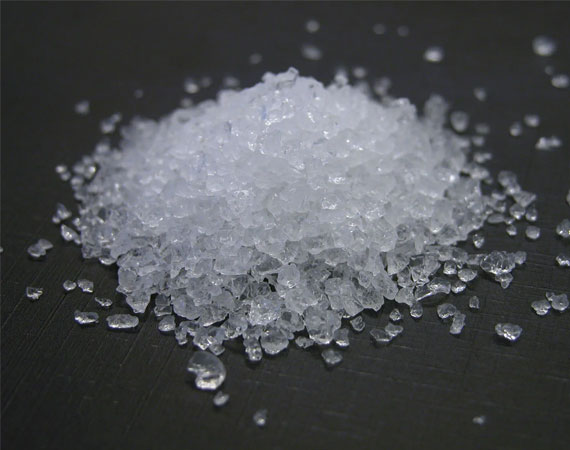
Bleeching Earth
From Indonesia
Bleaching earth, also known as activated clay or fuller’s earth, is a type of absorbent clay that is commonly used in the refining and purification processes of edible oils and fats. The primary purpose of bleaching earth is to remove impurities, color pigments, and undesirable substances from oils and fats, thereby improving their quality, appearance, and stability.
The key properties and functions of bleaching earth include:
Adsorption
Bleaching earth is highly porous, providing a large surface area with numerous microscopic pores. These pores have the ability to attract and adsorb impurities and color compounds present in oils and fats. This adsorption process helps in removing unwanted substances.
Color Removal
One of the main applications of bleaching earth is the removal of colored pigments, such as carotenoids and chlorophyll, from oils. This is particularly important in the production of refined and colorless oils, such as refined vegetable oils used for cooking.
Impurity Removal
Bleaching earth effectively removes impurities such as traces of metals, phospholipids, soap, and oxidation products. These impurities can contribute to off-flavors, instability, and undesirable characteristics in oils.
Stabilization
By reducing impurities and undesirable components, bleaching earth contributes to the stabilization of oils and fats, extending their shelf life and improving their resistance to oxidative degradation.
industrial use of bleeching earth
| Industrial Use | Purpose | Function |
|---|---|---|
| Edible Oil Refining | Production of refined and colorless edible oils | Removes impurities and color pigments |
| Mineral Oil Purification | Purification of mineral oils (lubricants, transformer oils) | Removes impurities, color bodies, and contaminants |
| Wax Refining | Production of refined waxes (e.g., paraffin wax) | Eliminates impurities and color from waxes |
| Used Oil Recycling | Recycling and reprocessing of used oils | Removes contaminants and impurities |
| Soap Manufacturing | Production of high-quality soaps | Refines and purifies raw materials |
| Pharmaceuticals | Purification of certain pharmaceutical raw materials | Removes impurities and color |
| Petrochemical Industry | Purification of certain petrochemical products | Removes impurities and color |
| Biodiesel Production | Refining process of biodiesel | Removes impurities and color |
| Activated Clay Products | Production of specialty products (e.g., cat litter, absorbents) | Uses activated clay derived from bleaching earth |
| Chemical Processes | Various chemical manufacturing processes | Removes impurities in chemical production |
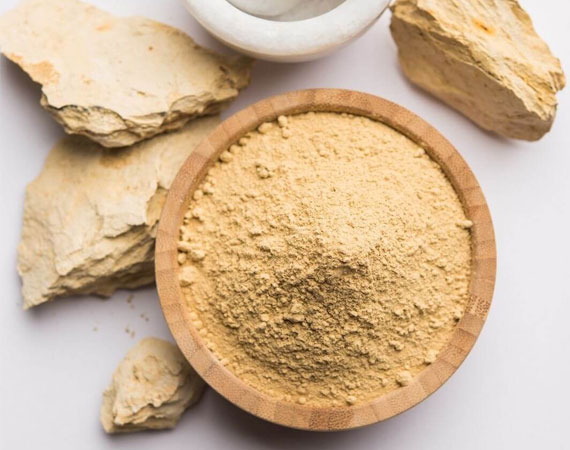
Fuller's Earth
| Characteristic | Details |
|---|---|
| Type | Fuller's Earth |
| Source | Natural clay, hydrated aluminum silicates |
| Characteristics | Highly absorbent, high surface area, beige to brown color |
| Applications | Edible oil refining |
| Origin | Indonesia |
| Destination | Multiple Countries |
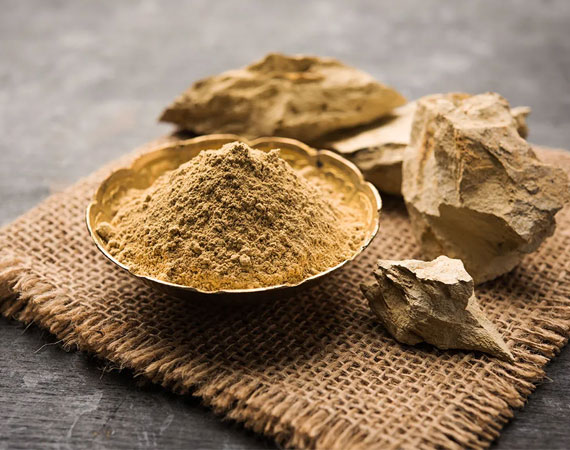
Bentonite
| Characteristic | Details |
|---|---|
| Type | Bentonite |
| Source | Derived from volcanic ash deposits |
| Characteristics | Rich in montmorillonite, excellent swelling, and adsorption properties |
| Applications | Edible oil refining, petrochemical industry |
| Origin | Indonesia |
| Destination | Multiple Countries |
Activated Clay
| Characteristic | Details |
|---|---|
| Type | Activated Clay |
| Source | Modified natural clays through acid treatment or heat activation |
| Characteristics | Enhanced adsorption properties due to activation |
| Applications | Edible oil refining, petrochemicals, chemical manufacturing |
| Origin | Indonesia |
| Destination | Multiple Countries |
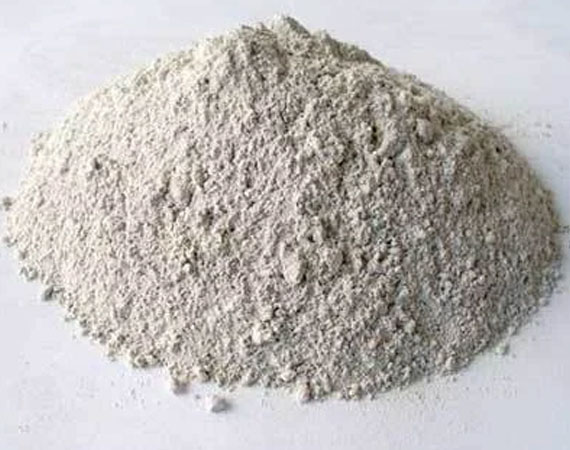
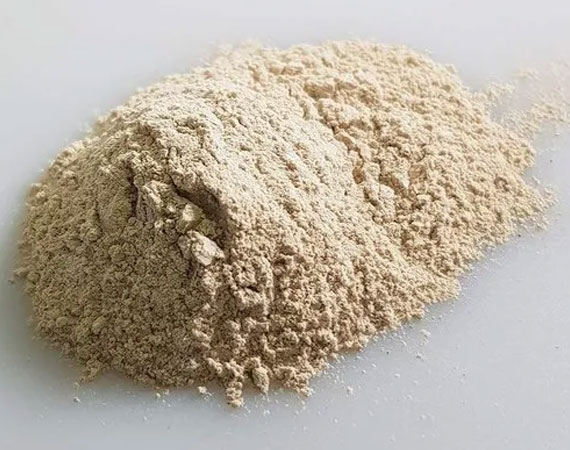
Acid-Activated Bleaching Earth
| Characteristic | Details |
|---|---|
| Type | Acid-Activated Bleaching Earth |
| Source | Natural clay treated with acids like sulfuric acid |
| Characteristics | Increased acidity, enhanced adsorption capabilities |
| Applications | Vegetable oil refining |
| Origin | Indonesia |
| Destination | Multiple Countries |
Silica Gel
| Characteristic | Details |
|---|---|
| Type | Silica Gel |
| Source | Porous form of silica, often synthetically produced |
| Characteristics | High adsorption capacity for impurities and color |
| Applications | Refining of oils, fats, and biodiesel |
| Origin | Indonesia |
| Destination | Multiple Countries |